
When it comes to taking your child to the dentist, you want them to be comfortable and safe during the treatment. This is a top priority for both dental professionals and parents. It is often recommended that children with dental anxiety, need complex dental work, or have special healthcare needs, have some type of sedation.
It is important for parents and caregivers to make an informed decision for the care of their child. With several options available, choosing between IV sedation and general anesthesia, should not be taken lightly.
What Is Pediatric Dental Sedation
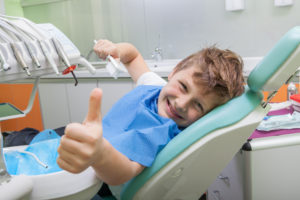 Pediatric dentistry uses sedation for many reasons, ease anxiety, enable children to remain still and calm during treatments, and prevent pain.
This is often the case for very young children, those who have trouble sitting still for an extended period of time, or need several procedures.
The levels of sedation for a child ranges from laughing gas (mild) to moderate sedation (usually in a pill form), IV sedation, sometimes called “twilight sleep” (deep), and general anesthesia (the strongest form of sedation). Each level of sedation serves a purpose and an individual child’s needs.
The Difference Between IV Sedation And General Anesthesia?
General anesthesia puts the patient in an unconscious state. The patient with IV sedation says conscious during the procedure. They will be able to answer any questions the dentist ask. The amnesiac nature of IV sedation means the patient won’t remember much, if any, of the appointment.
“IV sedation, also known as conscious sedation, is a sort of middle ground and it doesn’t fully put you to sleep. It does make you less aware of what is going on around you during your procedure or treatment,” Colgate.
Both types of sedation require a trained personnel to monitor the level of sedation as well as all the patient’s vital signs throughout the procedure. Because it takes a few hours for the sedation to wear off, the patient will need someone to drive them home.
How Safe Ss IV Sedation For My Child?
IV sedation has improved significantly over the years. For the safest route, have a separate third party Certified Registered Nurse Anesthetist (CRNA) administer the medication..
This ensures all the necessary safety precautions are in place. Your child’s vitals will be closely monitored by the CRNA while the dentist performs the procedure, blood pressure, heart rate, temperature, and blood oxygen level.
If you struggle taking your child to the dentist, consult with a Registered Certified Nurse Anesthetist. IV sedation has helped patients of all ages easily get all types of dental work, from complex treatments, to root canals and X-rays and dental cleanings.

