The use of IV sedation anesthesia for dental procedures have increased over the last few years. This is because of the many benefits it offers, significant reduction in anxiety and pain, little memory of the procedure, feeling very relaxed, procedure feels like it just took a few minutes when it really took hours, and helps those who need extensive procedures, special needs, or a disability.
The Highest Priority Is Patient Safety
Patient safety should be the highest priority when it comes to dental sedation. Which is why the Anesthesia Patient Safety Foundation explains why a separate Certified Registered Nurse Anesthetist (CRNA), is so important.
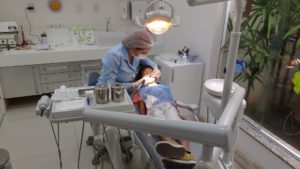 It is astonishing to assume that a person with no practical or clinical experience would be certified to be the independent observer with all of the skill-sets described above learned in just 36 hours of internet reading. Such an individual would likely be incapable of providing any meaningful help with a genuine life-threatening emergency as they lack hands-on medical training, are not skilled in starting an IV, and not licensed to draw up and administer life-saving medications.
Consider the patient who developed airway obstruction, with the operating dentist the only person present with any medical knowledge. He/she must recognize the problem, manage the airway to provide oxygen, and then cease airway support to administer rescue medications; the only backup is 911. The Dental Anesthesia Assistant National Certification Examination (DAANCE) provider may be able to inform the dentist that something is wrong, but they cannot do much to help. It is truly dangerous to substitute a DAANCE observer for a skilled anesthesia professional.
Sedation guideline now states explicitly that deep sedation/anesthesia must be provided by an anesthesia-trained provider and the operating dentist must be currently PALS-certified to assist the anesthesia provider with an adverse event. This provides a ready-to-respond sedation team on site. The single-provider-operator-anesthetist oral surgery model must be replaced with the multiple-provider-sedation-care team AAP/AAPD model.
Making Safety A Priority
This is why so many dental offices are partnering with Certified Registered Nurse Anesthetists (CRNA). Someone who is qualified/certified to administer the sedation and monitor vital signs during the procedure, for the safest and most effective form of sedation.
Blue Sky Solutions Anesthesia Associates follows the strict American Dental Association guidelines and protocols throughout the procedure. Prior to your appointment, Certified, Registered and Licensed Nurse Anesthesiologist will work closely with you to determine the best course of treatment and answer any questions.

